April 29, 2026
⬝
Read Time
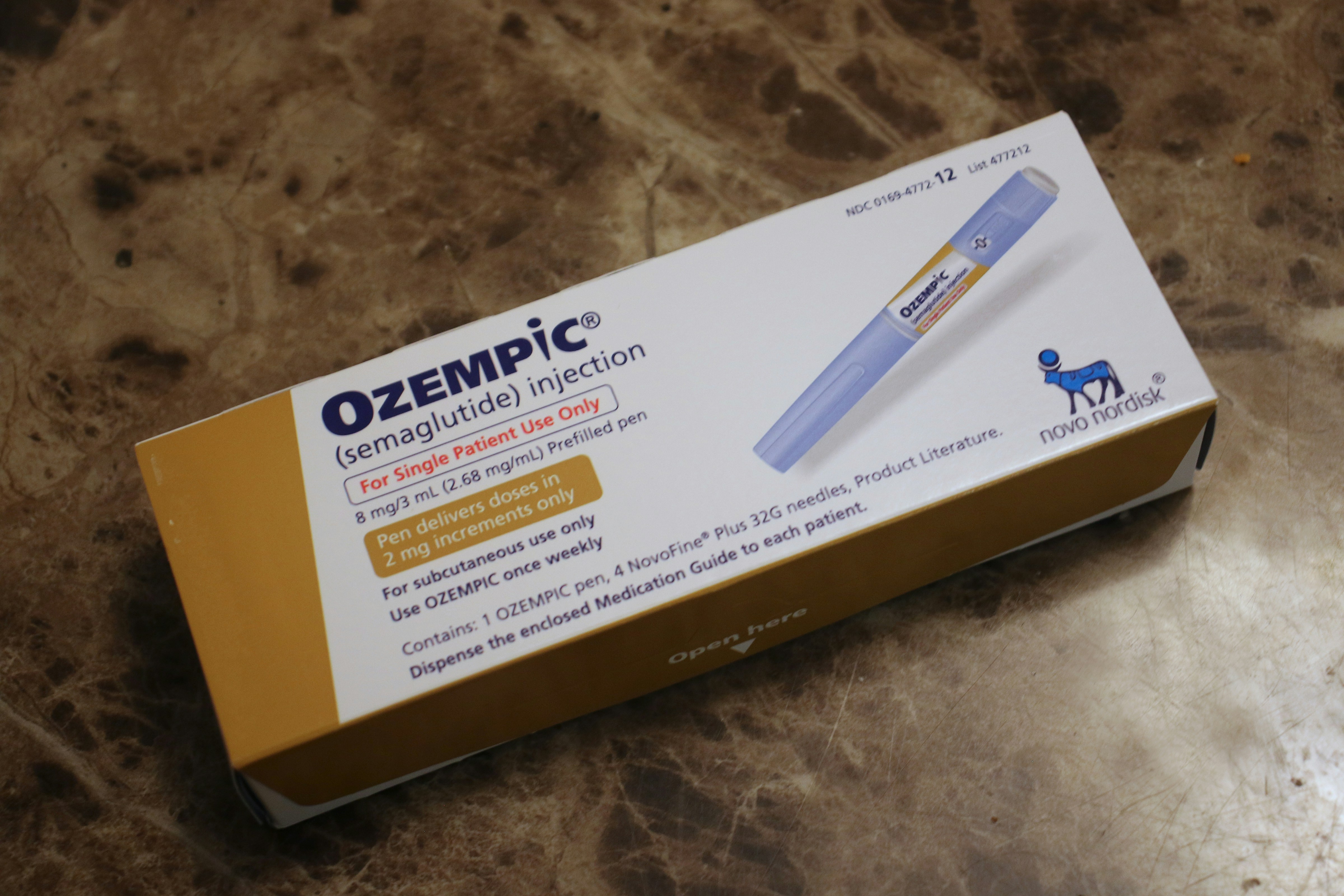
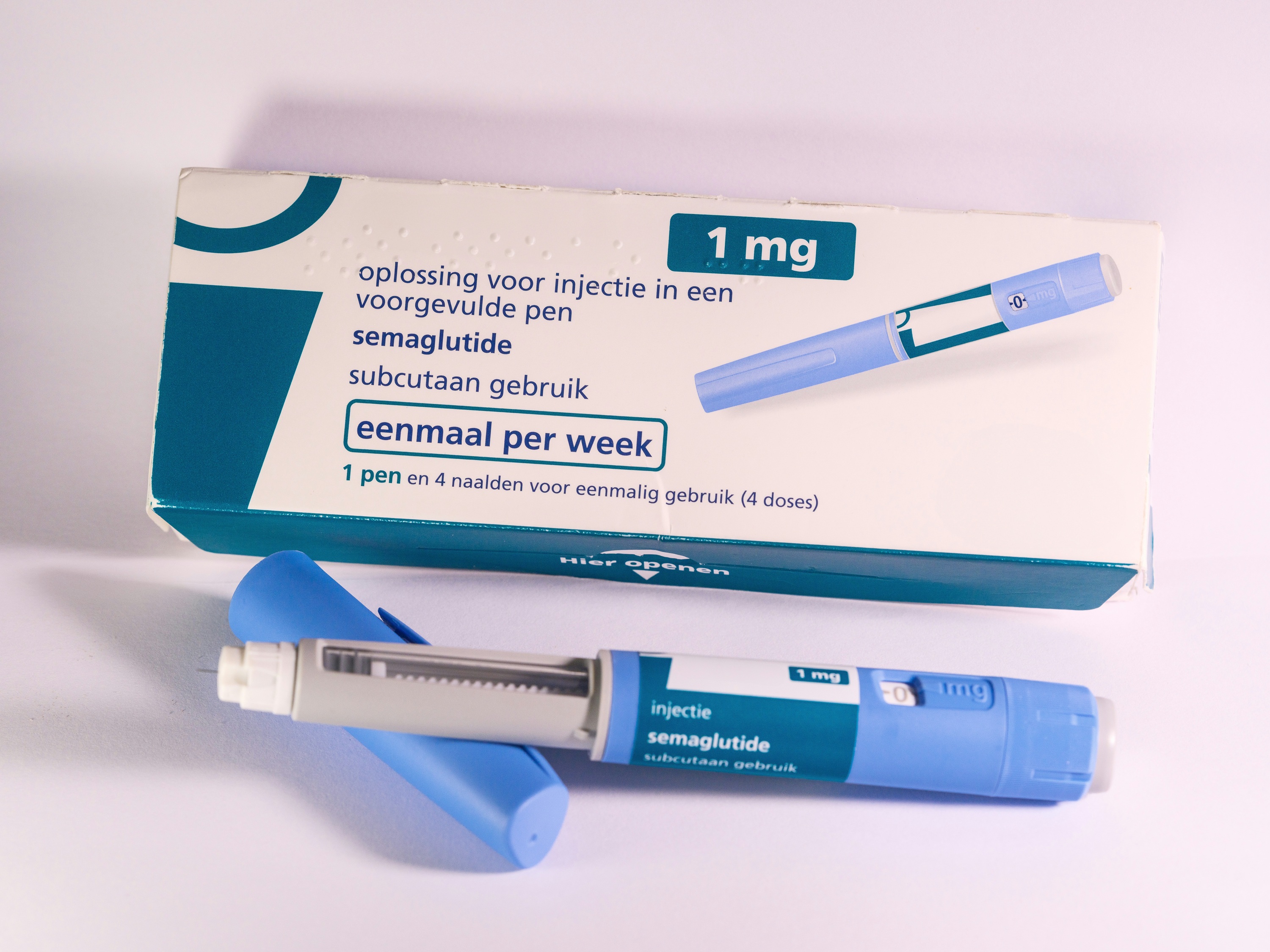
A question lands on my desk almost daily now. A patient sits across from me, already injecting Ozempic, Mounjaro, or Wegovy. They have lost some weight. But they remain stuck. The side effects wear them down. The monthly cost drains their bank account. And deep down, they know the weight will return the moment they stop. So they ask me whether they can have bariatric surgery if they are already on weight loss medication.
The short answer is yes. But the longer, more useful answer involves understanding the nuanced safety protocols, the emerging research on combination therapy, and how these two powerful tools actually interact. As a bariatric surgeon in Perth, I now manage patients who transition from injectable medications to permanent surgical solutions. Here is exactly what you need to know.
Before we discuss the technical details, let us acknowledge why this question keeps coming up. Patients seek out medical weight loss options Australia because they want effective help. GLP-1 drugs provide temporary help. But the data show that the vast majority of people cannot stay on these medications long-term. Cost becomes prohibitive. Side effects become unbearable. Pharmacies run out of stock.
A systematic review comparing bariatric surgery to GLP-1 medications found that surgery produced greater and more sustained weight loss over multi-year follow-ups, along with better glycemic control. Surgery offers a one-time intervention with permanent anatomical changes. The medications require indefinite dosing. So when a patient on Ozempic asks me about surgery, I recognise that they are thinking strategically about their long-term health. That is exactly the right mindset.
This is the most clinically urgent part of the discussion. Weight loss medications like semaglutide work in part by delaying gastric emptying. Your stomach processes food much more slowly, which keeps you feeling fuller for longer. But that same delayed emptying poses a potential risk during anesthesia: leftover food in the stomach could regurgitate and enter your lungs, a serious complication called aspiration.
For years, the blanket recommendation told patients to stop these medications a full week before any elective procedure. But new multi-specialty guidance, developed jointly by gastroenterologists, surgeons, and anesthesiologists, has changed the approach. The updated consensus says that most patients can safely continue their GLP-1 medications as prescribed right up until their surgery, provided they adhere to a clear liquid diet for 24 hours before the procedure. The risk of aspiration is extremely low: roughly one in 5,000 to 7,000 cases. For patients without additional risk factors like diabetic gastroparesis or Parkinson's disease, the benefits of continuing the medication often outweigh the small procedural risk.
That said, different institutions have adopted slightly different protocols. Some surgeons still prefer a short washout period. The guidance I follow in my Perth practice involves a shared decision-making conversation with each patient, the anesthesiologist, and the prescribing GP. We assess individual risk factors, discuss the requirements for a liquid diet, and decide together on the safest approach.
While preoperative medication alone may not boost long-term outcomes, the emerging research on perioperative use tells a different story. A real-world study of over 500 bariatric surgery patients found that those who used GLP-1 receptor agonists both before and after their procedure experienced the greatest weight loss. Patients in the combined-use group had higher baseline BMIs than the control group (49.4 versus 45.7), yet they still achieved superior outcomes. The study authors described this as proof of the advantages of multidisciplinary management, tailoring treatments to each patient using all available modalities. This could mean that medical weight loss options Australia include not just medications or surgery alone, but a thoughtful combination of both, sequenced appropriately over time.
If you are currently taking weight loss injections and considering bariatric surgery, here is the practical pathway I recommend.
The Australian healthcare system requires patients to meet specific criteria for publicly funded bariatric surgery. Generally, you qualify if your BMI exceeds 40, or if your BMI falls between 35 and 40 and you have obesity-related health conditions such as type 2 diabetes, sleep apnoea, or hypertension. Private health insurance offers more flexibility, though most policies require a twelve-month waiting period for bariatric surgery. If you have top-tier hospital cover, your out-of-pocket costs for a gastric sleeve typically range from $5,000 to $7,000.
And demonstrating that you have tried other medical weight loss options Australia offers, including prescription medications, actually supports your eligibility for surgery. The system expects you to have made genuine attempts at non-surgical weight loss before proceeding to an operation. So your current use of Ozempic or Mounjaro works in your favour, not against you.
You can have bariatric surgery while using weight loss medications. The safety protocols are well understood, the research continues to evolve, and the combination approach may offer superior outcomes for carefully selected patients. The key lies in honest communication between you, your surgeon, your anesthesiologist, and your prescribing doctor. No one should make these decisions in isolation.
If you are currently using weight loss injections and wondering whether bariatric surgery belongs in your future, I invite you to book a confidential consultation at New Me in Perth. We will review your medication history, assess your eligibility, and build a personalised plan that respects both your safety and your goals. Contact New Me today.

.svg)


.svg)
© 2025 New Me. All right reserved.
Follow Us On


Website by OKMG





.png)

.webp)
.webp)
%20(1).webp)
%20(1).webp)
.webp)