August 21, 2025
⬝
Read Time
The holiday season brings joy, family gatherings, and an abundance of festive food that can feel overwhelming after weight loss surgery. Perth's summer holiday season, with its unique combination of Christmas barbecues, New Year celebrations, and Australia Day gatherings, presents particular challenges for bariatric patients.
Understanding how to navigate these celebrations while maintaining your health and progress doesn’t mean missing out on the festivities. It means approaching them with knowledge and a strategic approach.
Many patients worry that their surgical journey will forever change their relationship with holiday traditions. The truth is, holiday eating after weight loss surgery requires thoughtful planning and adjustment, but it doesn't eliminate the joy of celebrating with loved ones.
This guide offers practical strategies tailored to Perth’s holiday culture, helping you enjoy festive gatherings without compromising your progress or encountering complications.
Your transformed digestive system operates differently after surgery, and holiday eating can amplify these changes. The reduced stomach capacity means you’ll feel full much faster, while altered absorption patterns affect how your body processes rich, festive foods.
The honeymoon phase following surgery, when appetite suppression is strongest, might coincide with major holidays. This can actually work in your favour, as natural appetite reduction makes portion control easier. However, don’t mistake this temporary advantage for a permanent solution; developing sustainable holiday eating habits now sets you up for long-term success.
Perth's outdoor holiday culture, with its emphasis on barbecues and fresh seafood, actually offers excellent opportunities for bariatric-friendly choices. The challenge lies not in the availability of suitable foods but in navigating social pressure, emotional eating triggers, and the abundance of less suitable options that accompany every gathering.
Rich, high-fat holiday foods can cause dumping syndrome in gastric bypass patients, leading to nausea, cramping, and diarrhoea. Even sleeve gastrectomy patients may experience discomfort from overeating or consuming inappropriate foods. Recognising these risks helps you make choices that keep you feeling well throughout celebrations.
Planning your approach reduces stress, prevents poor decisions made in the moment, and helps you communicate your needs to family and friends effectively. Start by reviewing your upcoming social calendar and identifying potential challenges. Which gatherings centre entirely around food? Where might you face the most pressure to eat inappropriately? Which events matter most to you emotionally? This assessment helps you prioritise where to be more flexible and where to maintain stricter boundaries.
Contact hosts in advance to discuss your dietary needs. Then offer to bring a dish that meets your nutritional needs. This way, you have safe options while contributing to the celebration. Popular choices include protein-rich salads, lean meat dishes, or fresh fruit platters.
Plan your eating schedule around major events. If Christmas lunch is at 2 PM, eat a protein-rich breakfast and avoid snacking beforehand. This maximises your limited stomach capacity for foods you truly want to enjoy while maintaining stable blood sugar levels.
Consider your supplement schedule around holiday meals. Rich foods can interfere with vitamin absorption, so timing your supplements ensures you maintain adequate nutrition even when your eating patterns vary from routine.
Choosing appropriate holiday foods doesn’t mean sacrificing flavour or tradition. Just go for options that support your health while allowing you to participate in celebrations. Thankfully, Perth’s holiday food culture offers numerous choices for bariatric patients.
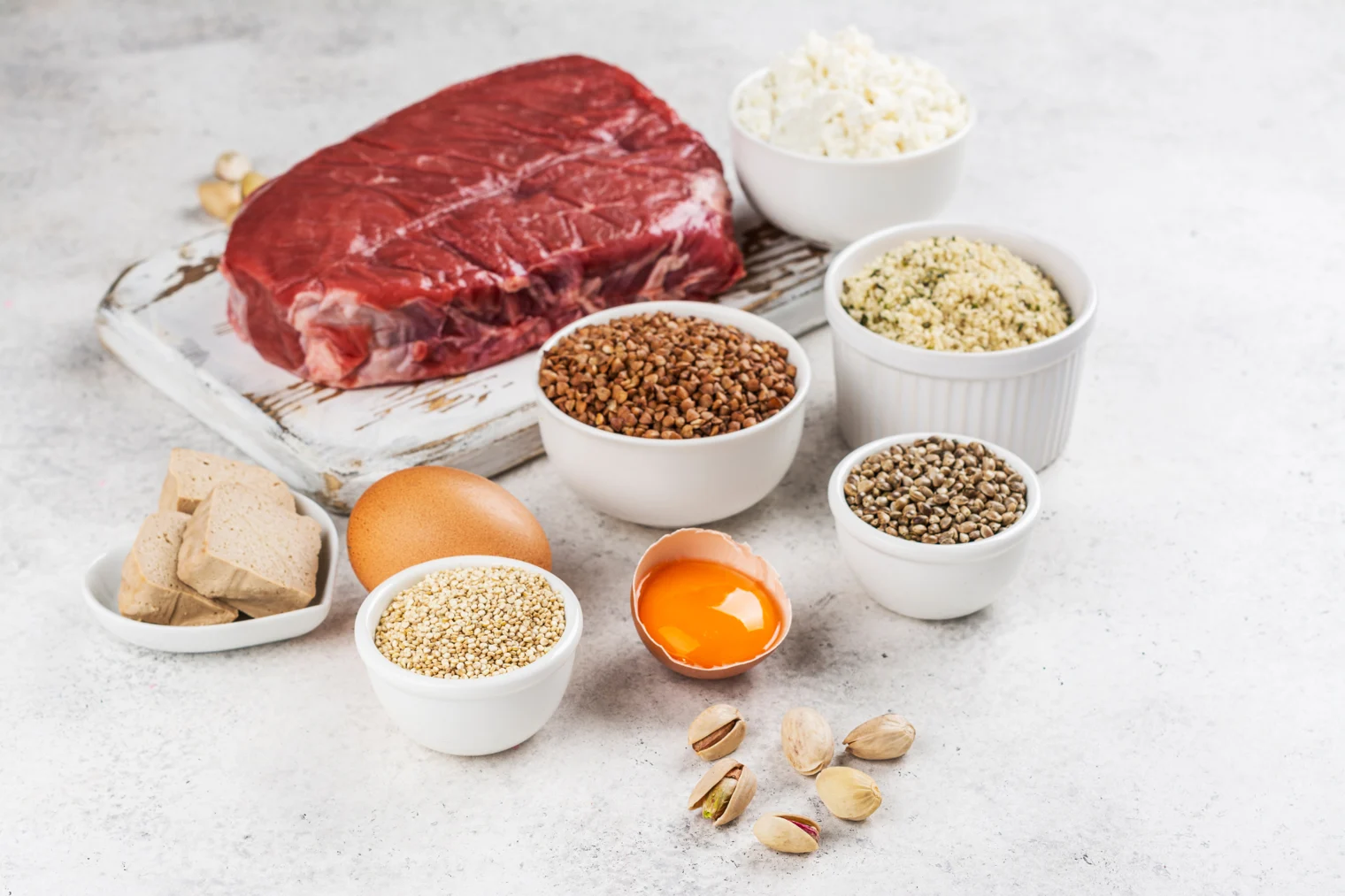
Fresh seafood takes centre stage in Australian holiday celebrations. Prawns, crab, fresh fish, and oysters provide high-quality protein in easily digestible forms. Lean turkey, ham (without sugary glazes), and beef make great choices when prepared simply. These foods should comprise the majority of your holiday plate.
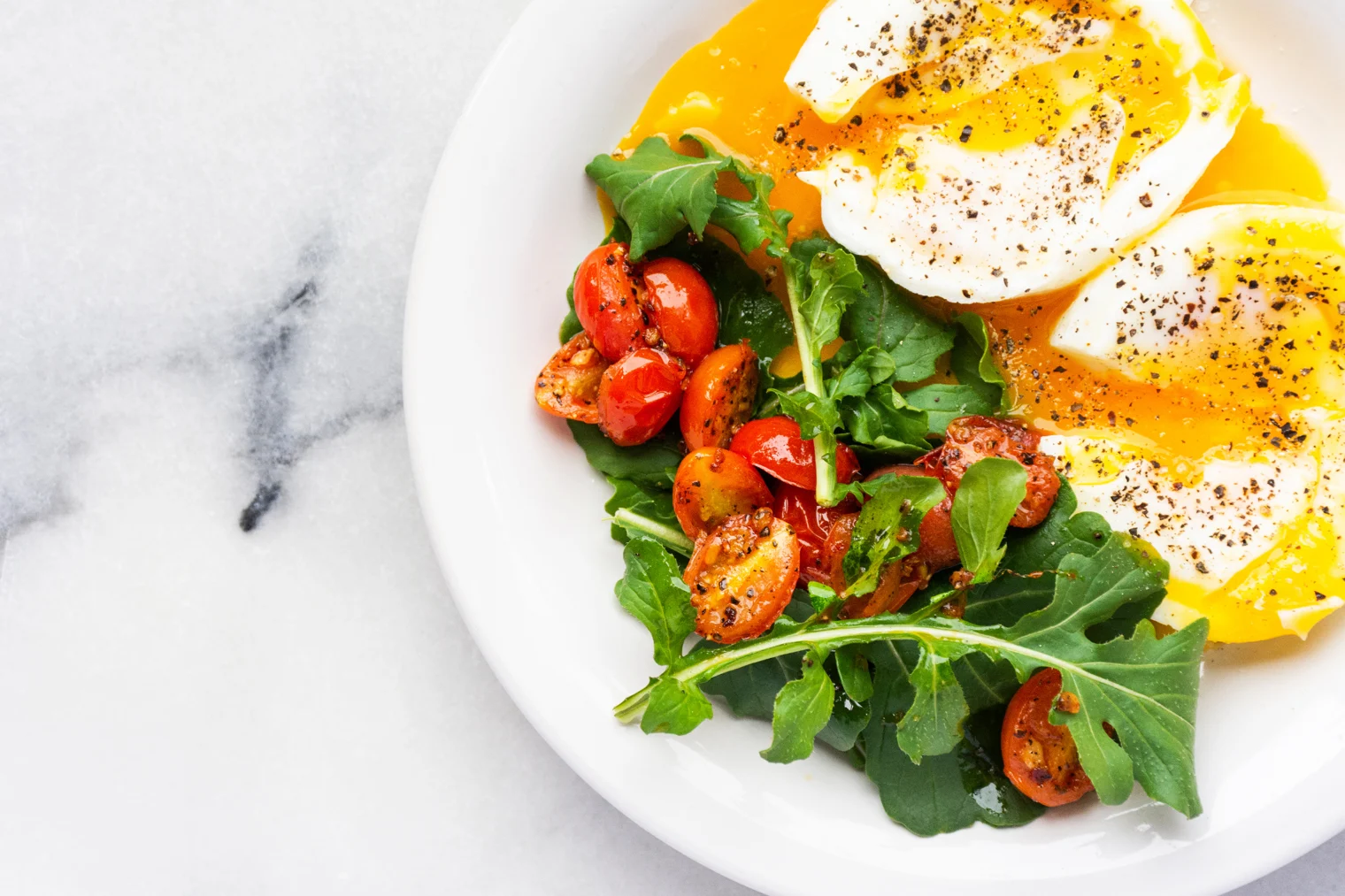
Summer vegetables in Perth support your nutritional needs. Grilled asparagus, steamed beans, fresh salads (without heavy dressings), and roasted vegetables provide essential nutrients and fibre. Focus on non-starchy vegetables that won't compete with protein for your limited stomach space.
Australia’s summer stone fruit season coincides with major holidays. Fresh peaches, plums, berries, and cherries offer a natural sweetness and a wealth of vitamins. These make excellent dessert items and satisfy sweet cravings without causing dumping syndrome.
If you include carbohydrates, select nutrient-dense options in small portions. Sweet potato, quinoa salads, or small portions of sourdough bread provide more nutrition than refined alternatives. Remember that protein and vegetables take priority in your limited stomach space.
Managing portions during abundant holiday spreads requires specific strategies that work within your surgical limitations. The goal isn't to eat everything, but to make thoughtful choices that satisfy you physically and emotionally.
Use smaller plates whenever possible. This visual trick helps you feel satisfied with appropriate portions. Then practice the “three-bite rule” for special treats; allow yourself three small bites of truly special foods that hold emotional significance. This lets you participate in traditions without overindulging or feeling deprived.
Fill your plate strategically: protein first, vegetables second, and save minimal space for other items. Aim for your plate to be 50% protein, 30% vegetables, and 20% everything else.
Eat slowly and put your fork down between bites. Holiday conversations enable you to pace your eating.
Stop eating when you feel satisfied, not when your plate is empty. Your new stomach signals fullness much earlier than before surgery. Honour these signals to prevent discomfort and maintain your progress.
Holiday gatherings often involve well-meaning family members who encourage overeating or question your food choices. Preparing responses helps you handle these situations gracefully while maintaining your boundaries. Develop standard responses for common comments: “I’m focusing on my health,” “My doctor has me on a specific eating plan,” or “I feel better eating this way.” Keep explanations brief and redirect conversations away from your eating habits.
Holiday sweets present particular challenges for bariatric patients, as sugar can trigger dumping syndrome and derail progress. However, you don’t need to avoid all treats. Just choose quality over quantity. Select one truly special treat rather than sampling everything. Make it something with significant importance to you or your family traditions, not just sugar for the sake of indulgence.
Never eat sweets on an empty stomach, as this increases the risk of dumping syndrome. Have dessert 30-60 minutes after your main meal, when your stomach is full of protein and other foods to slow down sugar absorption.
Perth’s hot summer weather during the holiday season makes hydration critical for bariatric patients. Your altered anatomy affects fluid regulation, making dehydration risk higher than before surgery.
Carry water with you to every gathering. Don't rely on hosts to provide beverages suitable for your needs. A water bottle ensures you maintain hydration regardless of what’s available at the event.
Avoid drinking with meals, but resume fluid intake 30 minutes after eating. This timing prevents food from washing through your pouch too quickly.
Choose beverages wisely. Water remains the best choice, but sparkling water with lime, herbal teas (served cold), and diluted fruit juices provide variety without excessive calories or sugar. Avoid alcohol, carbonated drinks, and high-sugar beverages that can cause discomfort or complications.
Monitor your hydration status throughout celebrations. Thirst isn't always a reliable indicator after surgery, so pay attention to urine colour, energy levels, and overall well-being as hydration markers.
Despite your best intentions, you might occasionally overeat or make poor choices during celebrations. Having recovery strategies prevents one mistake from derailing your long-term progress. Don’t panic if you experience discomfort after overeating. Rest, stay hydrated, and return to your standard eating patterns at the next meal. Avoid the cycle of restriction followed by overeating that can develop around holiday periods.
Learn from each experience without self-judgment. Analyse what led to the poor choice: social pressure, emotional triggers, inadequate planning, or simple curiosity. Use this information to adjust your strategy for future events.
Resume your regular supplement schedule and exercise routine as soon as possible after the celebrations. Consistency in these areas helps maintain your overall health even when eating patterns vary temporarily.
Your New Me healthcare team understands the challenges that Perth’s holiday season presents for bariatric patients. So, don’t hesitate to reach out for support, guidance, or reassurance. Feel free also to utilise available resources, including educational materials, support groups, and digital tools, that help you stay connected to your weight loss goals.
Remember that your New Me team wants you to enjoy the holiday season while maintaining your health and progress. We are your allies in finding balance, not obstacles to your enjoyment of festive celebrations.
Ready to navigate this holiday season with confidence and support? Contact New Me today to discuss personalised strategies for enjoying Perth's festive season while protecting your bariatric surgery success and continued health journey.

.svg)


.svg)



© 2025 New Me. All right reserved.
Follow Us On


Website by OKMG