September 18, 2025
⬝
Read Time
Weight loss surgery marks the beginning of your transformation, but the nutritional choices you make afterwards determine whether that transformation becomes a lasting success or a temporary achievement. Among all the dietary considerations that follow bariatric procedures, two nutrients stand above the rest in their critical importance: protein and fibre.
Whether you've chosen a gastric sleeve, gastric bypass, or worked with the experienced lap band surgeons Perth offers, your body's relationship with protein and fibre has changed forever. Understanding why these nutritional powerhouses matter so profoundly and how to incorporate them effectively into your post-surgery lifestyle can mean the difference between thriving in your new body and struggling with complications.
Weight loss surgery changes your digestive system's capacity and function. Your stomach, now dramatically smaller, holds a mere fraction of its original 1,500ml capacity. This transformation creates a nutritional paradox: your body needs adequate nutrients for healing, muscle preservation, and optimal function, yet your ability to consume large quantities of food has essentially vanished.
This anatomical change necessitates a comprehensive reevaluation of your nutritional priorities. Traditional eating patterns, where you might consume adequate protein and fibre through larger meals consumed three times daily, become impossible. Instead, you must maximise the nutritional density of every bite.
The malabsorption that occurs with specific procedures compounds these challenges. Your intestines may absorb nutrients less efficiently, creating an even greater need for better food choices.
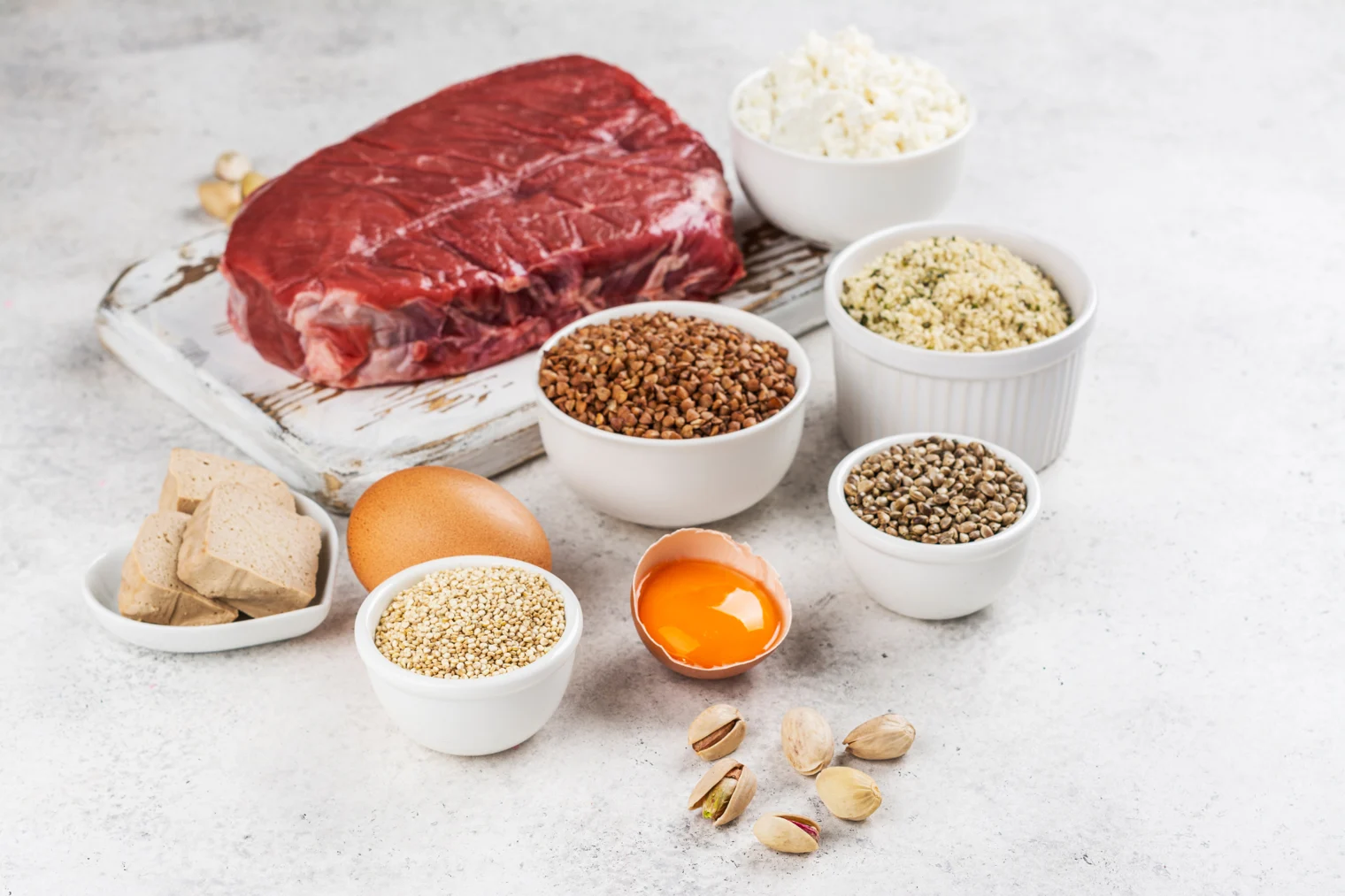
Protein serves as your body's primary building material, becoming absolutely critical after weight loss surgery for multiple compelling reasons. During rapid weight loss phases, your body faces the constant challenge of preserving muscle mass while shedding unwanted fat. Without adequate protein intake, your body begins breaking down muscle tissue to meet its amino acid requirements, a process that slows metabolism and undermines long-term weight maintenance.
The healing process following surgery demands increased protein requirements. Your body uses amino acids to repair surgical sites, build new tissue, and maintain immune function. Insufficient protein intake during recovery can lead to delayed healing, increased infection risk, and compromised surgical outcomes. This becomes particularly important for patients in Perth's active environment, where the desire to return to outdoor activities and exercise creates additional protein demands.
Research consistently demonstrates that bariatric patients require significantly higher protein intake than the general population. Most bariatric programmes recommend 60-100 grams daily, depending on individual factors, including the type of surgery, body weight, and activity level. For gastric bypass patients, requirements often reach the upper end of this range due to malabsorption issues. Patients who've worked with Perth specialist weight loss surgeons typically require around 1 gram per kilogram of ideal body weight.
While protein receives considerable attention in post-bariatric nutrition discussions, the importance of fibre often gets overshadowed, despite its vital role in long-term success. Dietary fibre, found naturally in plant foods, provides benefits that extend far beyond digestive health.
The dramatic reduction in food volume following surgery frequently leads to constipation - a common and uncomfortable complication that can significantly impact quality of life. Fibre helps maintain regular bowel movements by adding bulk to stool and supporting healthy intestinal function. This becomes particularly important as patients adjust to eating smaller quantities and often experience changes in gut bacteria composition.
Beyond digestive benefits, fibre plays an important role in satiety and weight management. High-fibre foods require more chewing, naturally slowing eating pace, a critical behaviour change for bariatric patients. The mechanical process of extended chewing triggers satiety signals, helping patients recognise fullness before overeating occurs. Additionally, fibre-rich foods typically provide fewer calories per gram than processed alternatives, supporting continued weight loss and maintenance.
Perth's warm climate creates unique opportunities and challenges for meeting protein requirements after weight loss surgery. The heat often reduces appetite, making it more challenging to consume adequate protein, yet increased perspiration and potential dehydration create greater nutritional needs. Successful patients develop strategies that take into account these environmental factors.
Cold protein sources become particularly appealing during Perth's hot summers. Greek yogurt, cottage cheese, and protein-rich smoothies provide excellent nutrition while remaining refreshing. Adding protein powder to cold beverages or frozen fruit smoothies creates portable options perfect for Perth's outdoor lifestyle. Many patients find success with protein ice blocks or frozen yogurt treats, which provide nutrition while helping to maintain body temperature.
The abundance of fresh seafood available in Perth offers excellent protein opportunities. Fish and shellfish provide complete proteins with easy digestibility. Preparing these proteins with simple seasonings and light cooking methods maximises nutrient absorption while minimising digestive stress.
Introducing adequate fibre after weight loss surgery requires careful attention to timing and tolerance. The reduced stomach capacity means that high-fibre foods, while beneficial, can quickly create feelings of uncomfortable fullness if not appropriately managed. Successful fibre incorporation starts gradually and builds systematically over time.
Begin with easily digestible fibre sources like cooked vegetables, peeled fruits, and refined fibre supplements. As tolerance improves, gradually introduce higher-fibre options like raw vegetables, whole grains, and legumes. This progressive approach prevents the digestive discomfort that can occur when fibre intake increases too rapidly.
Perth's climate supports year-round access to fresh, fibre-rich produce. Local farmers' markets offer seasonal variety that keeps meals interesting while providing necessary nutrients. Stone fruits during summer, citrus during winter, and year-round availability of vegetables create endless possibilities for meeting fibre goals through whole food sources.
The timing of protein and fibre consumption significantly impacts their effectiveness after weight loss surgery. The limited stomach capacity requires strategic meal planning to ensure adequate intake without creating discomfort or compromising nutrient absorption. Understanding optimal timing helps maximise the benefits of both nutrients.
Protein should take priority at every meal; consuming protein-rich foods first ensures adequate intake before reaching satiety. This strategy proves particularly important during the rapid weight loss phase when protein requirements remain high but appetite may be suppressed. Following protein consumption with small amounts of fibre-rich foods provides digestive benefits without displacing essential amino acids.
The 30-30-30 rule, which means stopping fluids 30 minutes before meals, avoiding liquids during eating, and waiting 30 minutes after meals before resuming fluids, becomes useful when incorporating fibre-rich foods. These foods often require adequate hydration for proper digestion, making fluid timing even more important for comfortable and effective nutrient utilisation.
While food intolerances can develop for dense proteins like red meat and high-fibre foods like raw vegetables, most patients simply struggle to maintain adequate nutrition without overwhelming their smaller stomachs. In these case,s supplements can bridge the gap for patients:
Fibre supplements like psyllium husk, methylcellulose, and other gentle fibre supplements provide digestive benefits. Just start with minimal doses and increase gradually to avoid any uncomfortable side effects while building tolerance..
The habits you establish in the months following weight loss surgery become the foundation for lifelong success. Creating sustainable approaches to protein and fibre intake requires finding strategies that fit your lifestyle, preferences, and long-term goals. What works during the initial recovery phase may need adjustment as your body adapts and your activity level increases.
Perth's active outdoor culture supports long-term success when nutritional habits align with lifestyle preferences. Portable protein snacks for hiking, fibre-rich picnic foods, and hydration strategies for beach days all contribute to maintaining nutritional goals while enjoying the lifestyle benefits that motivated your surgery decision.
The importance of protein and fibre after weight loss surgery cannot be overstated. These nutrients form the foundation upon which your surgical success builds, supporting everything from wound healing and muscle preservation to digestive health and long-term weight maintenance.
At New Me, we recognise that successful weight loss surgery extends far beyond the operating theatre. Our approach includes detailed nutritional guidance, ongoing support, and the expertise necessary to help you master every aspect of your post-surgery journey. Your transformation deserves the very best care from initial consultation through lifelong success New Me provides the support and expertise that turns surgical possibilities into life-changing realities.

.svg)


.svg)



© 2025 New Me. All right reserved.
Follow Us On


Website by OKMG