June 9, 2026
⬝
Read Time
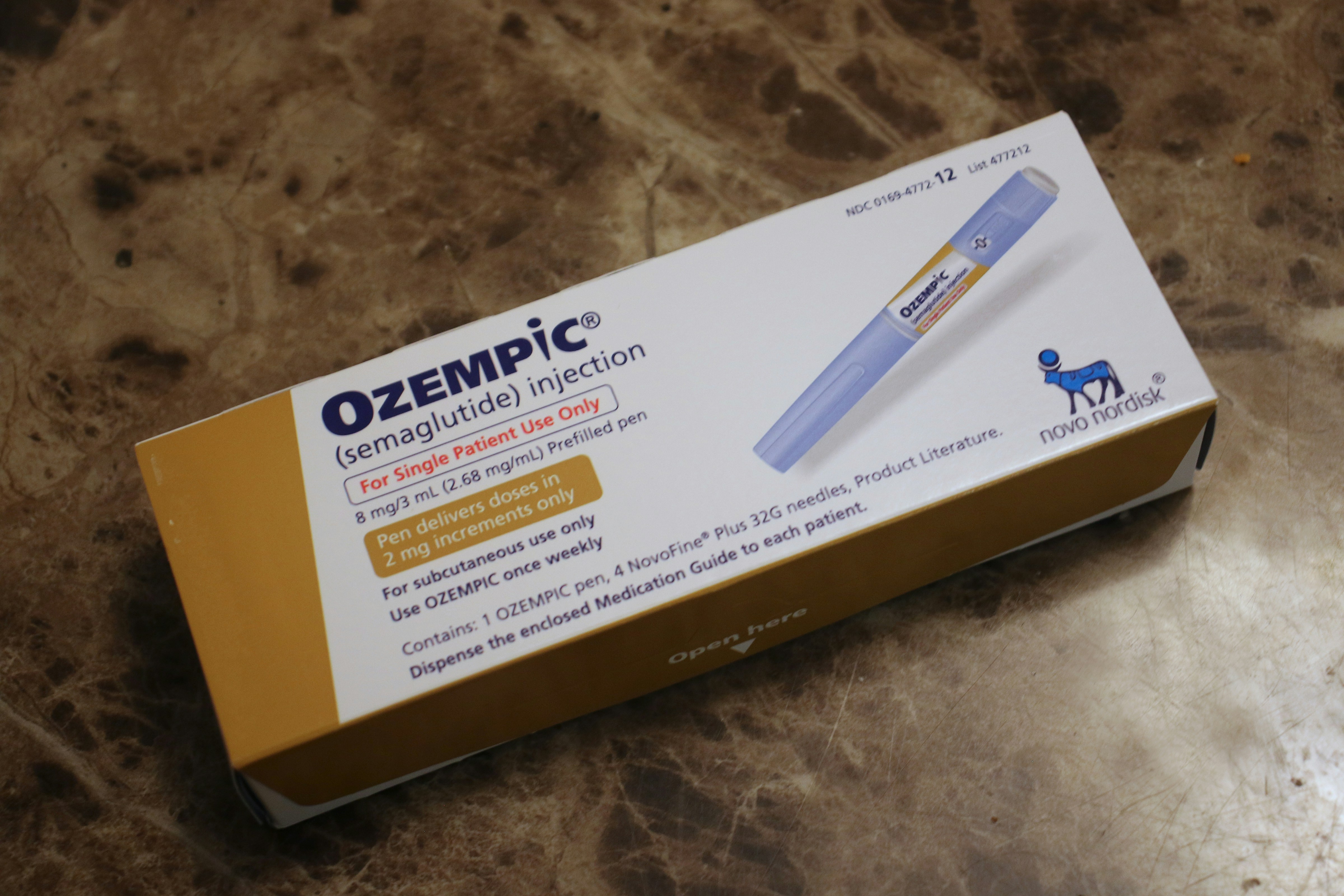
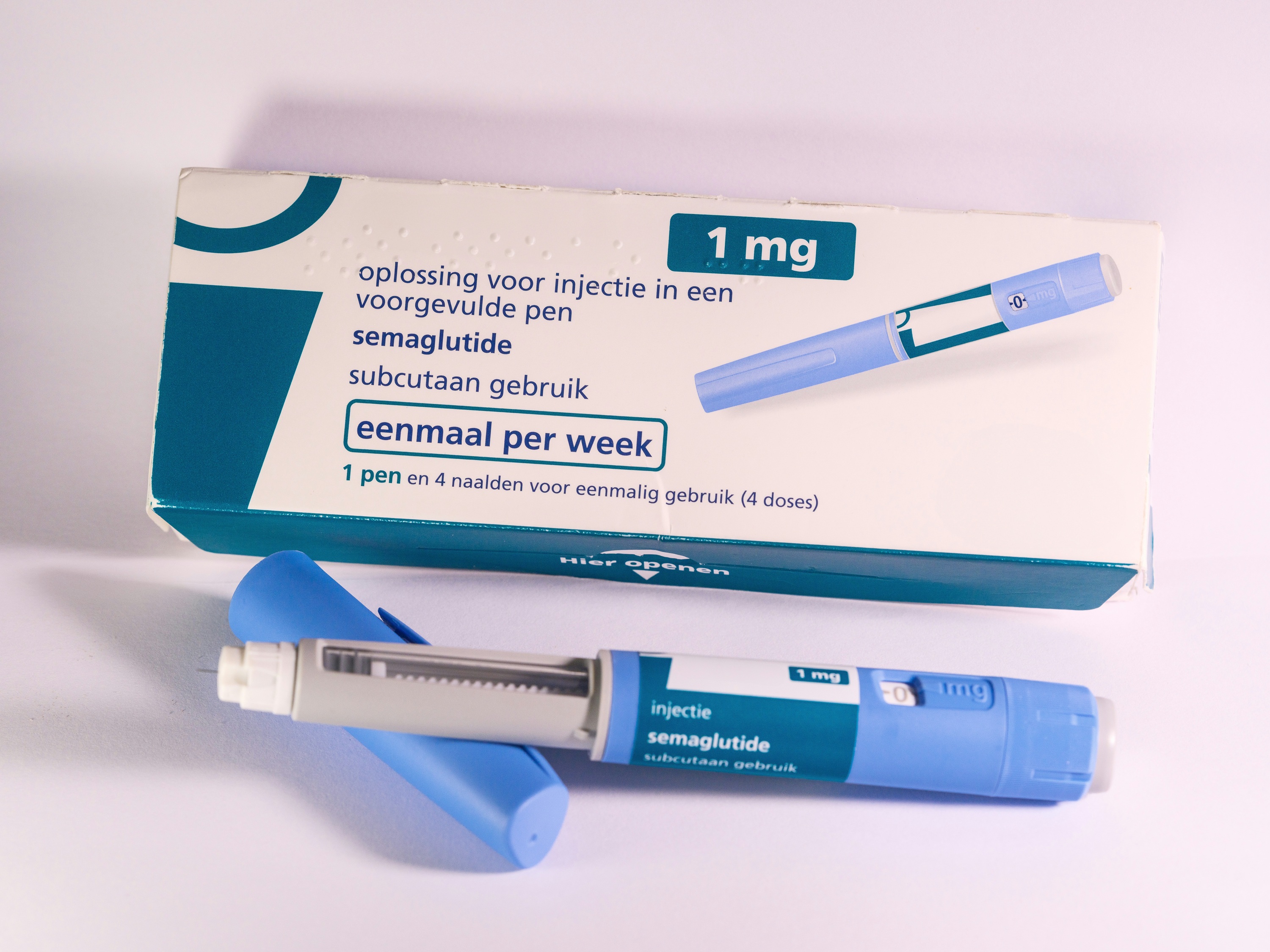
The phone rings more often than ever with this specific concern. A patient has spent months, sometimes over a year, injecting Ozempic or Mounjaro. They have watched the scale drop. They have felt a new sense of control. Then the prescription runs out, the side effects become too much, or the cost becomes unsustainable. So they stop.
What happens next feels like a betrayal of their own body. The weight creeps back. The old hunger returns with a vengeance. They feel defeated, wondering if lasting weight loss is even possible for them. Let me show you the data behind this experience. Then I will explain why bariatric surgery represents a fundamentally different approach, one that breaks the cycle permanently.
The evidence on post-GLP-1 weight regain is now overwhelming. A 2026 meta-analysis published in The BMJ tracked over 9,300 participants across 37 studies and found that after stopping weight-loss medications, patients regained an average of 0.4 kilograms per month, which is roughly four times faster than those who stopped behavioural weight-loss programs based on diet and exercise. The model projected that most patients would return to their baseline weight within just 1.7 years.
Other research reinforces this picture. A separate meta-analysis of 36 studies found that semaglutide showed the highest weight regain after discontinuation, with a mean difference of -5.15 kilograms compared with controls. At one year post-cessation, patients had regained 60% of the weight they lost during treatment. Extrapolating beyond that, researchers estimated that weight regain would plateau at 75.3 per cent of the original loss, meaning patients keep only about a quarter of their hard-won results.
Meanwhile, a systematic review of 18 randomised controlled trials involving 3,771 participants found that for people with obesity, stopping GLP-1 receptor agonists resulted in a metabolic rebound characterised by a body weight gain of 5.63 kilograms. Patients also saw deterioration in waist circumference, BMI, and blood pressure.
Here is the sobering reality: these medications treat obesity as an active condition, not a cured one. As one editorial explained, post-discontinuation weight regain is disease recurrence. Just as stopping blood pressure medication causes hypertension to return, stopping GLP-1s allows the underlying biology of obesity to reassert itself.
The biological drivers behind this rapid regain are predictable yet relentless. GLP-1-based therapies reduce appetite and slow gastric emptying, but stopping them does not restore a neutral baseline. Instead, discontinuation unmasks powerful counter-regulatory responses: increased orexigenic signalling (including the hunger hormone ghrelin) and metabolic adaptation that favours replenishing energy stores. Your body actively works to return to its previous set point, often overshooting in its effort to restore lost fat. The bottom line remains clear: for most people, stopping GLP-1s means watching months of progress disappear. The medication works brilliantly while you take it, but it does not create permanent change.
Now let me contrast this with what I see in my surgical patients. Weight loss surgery Australia offers a different mechanism: permanent anatomical change. When you undergo a gastric sleeve or gastric bypass, we remove or reconfigure the part of your stomach that produces ghrelin, the primary hunger hormone. We create a smaller stomach pouch that restricts how much you can comfortably eat. This is a structural alteration that persists for the rest of your life. And the long-term data supports this durability.
The cost comparison also favours surgery. A large study found that over two years, GLP-1 treatment cost approximately $11,689 (USD) more than bariatric surgery, driven primarily by sustained pharmacy costs throughout the second year. In Australian terms, one analysis estimated that surgical treatment saved around AU$18,330 compared to two years of medication. Think about what that means. You can spend thousands of dollars each year on injections that stop working the moment you stop paying. Or you can invest in a one-time surgical procedure that keeps delivering results year after year.
No treatment is perfect. Bariatric surgery carries risks: staple-line leaks occur in about 1-2 per cent of cases, and nutritional deficiencies require lifelong vitamin supplementation. Some degree of weight fluctuation is normal after surgery, and a minority of patients do experience regain if they fall back into old eating patterns.
But the key difference is durability. When surgery patients regain weight, it tends to be gradual and manageable, often responsive to lifestyle adjustments. When medication patients stop treatment, the regain is rapid, predictable, and driven by biology beyond their conscious control.
If you have tried GLP-1 medications and experienced the frustration of post-cessation weight regain, you are not alone. The data shows this is the expected outcome for the majority of patients. Your body is not broken. You are not lacking willpower. You are experiencing the predictable disease recurrence that occurs when a chronic condition is treated with a temporary intervention.
Bariatric surgery offers a different path. It changes your anatomy permanently. It alters your hunger hormones in the long term and gives you a tool that continues to work whether you think about it or not.
The New Me team is here to help. We will assess your history, explain your surgical options, and support you through every stage of your transformation. Book your consultation today.

.svg)


.svg)
© 2025 New Me. All right reserved.
Follow Us On


Website by OKMG






.png)

.webp)
.webp)
%20(1).webp)
%20(1).webp)
.webp)