November 17, 2025
⬝
Read Time
When patients come through the doors of our weight loss clinic Perth practice, they often carry tremendous determination alongside their weight-loss goals. After successfully navigating bariatric surgery and watching the scales shift dramatically, many find themselves facing an unexpected challenge: stubborn pockets of fat that simply won't respond to their new healthy lifestyle. This is where understanding liposuction becomes essential.
As a bariatric surgeon who has guided countless patients through their transformation journeys, I've witnessed firsthand the profound physical and emotional changes that occur after procedures like gastric sleeve or bypass surgery. While these operations deliver remarkable results, they don't always create the body contours people envision. This reality brings many patients to ask about liposuction, but the conversation requires careful consideration of timing, expectations, and what the procedure can genuinely accomplish.
Let me be clear from the outset: liposuction is not a weight loss procedure. This distinction proves crucial for patients who have already undergone bariatric surgery. While you might think removing fat would automatically mean losing significant weight, the procedure targets something entirely different - body contouring and proportion.
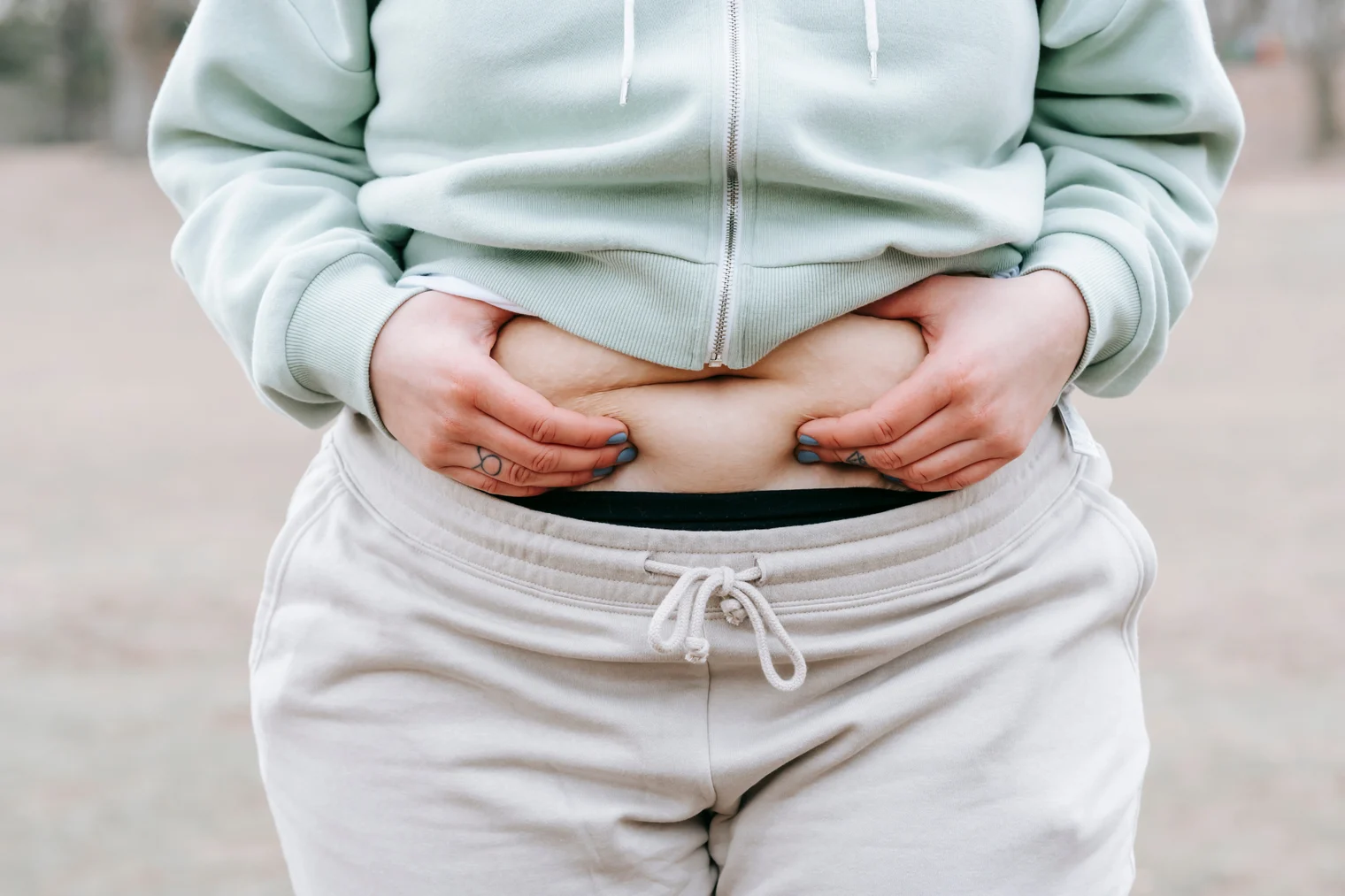
Liposuction removes localised deposits of subcutaneous fat from specific areas of the body to reshape and refine contours. Still, it doesn't address visceral fat around internal organs or serve as a substitute for healthy lifestyle habits. After bariatric surgery, when you've already lost substantial weight, those remaining fatty deposits in areas like the lower abdomen, flanks, upper arms, or thighs can feel particularly frustrating because they resist even the most dedicated exercise routines.
The procedure uses a thin cannula, or hollow tube, inserted through small incisions to suction out fat cells from targeted areas. Modern techniques in Australian practices can safely remove up to 5 litres of fat in a single session, though the amount varies based on individual circumstances and safety considerations. The key lies in understanding that the removed fat cells don't regenerate, but maintaining results requires stability in weight and continued healthy habits.
After operations performed at our weight loss clinic Perth facilities, patients lose weight rapidly and sometimes 40-50 kilograms within the first 12-18 months. However, fat distribution remains stubbornly uneven. Why does this happen?
When significant weight has stretched skin to its maximum capacity over many years, the skin loses elasticity and its ability to spring back naturally, leaving patients with loose, hanging skin and residual fat deposits in multiple body areas. Even after losing 45kg or more, areas that historically store fat (the abdomen, hips, thighs, and upper arms) often retain deposits that remain resistant to further reduction with diet and exercise alone.
Research shows that certain fat deposits are genetically predetermined to be more stubborn, with hormonal factors and body composition playing significant roles. For men, this typically manifests around the waistline and chest. For women, the hips, thighs, and lower abdomen are the most common areas of challenge. After bariatric surgery, while overall fat mass decreases dramatically, these predetermined areas may still contain disproportionate deposits that affect body contours and symmetry.
Timing is perhaps the most critical factor when considering liposuction after weight-loss surgery. At our weight loss clinic Perth practice, we emphasise patience, not because we want to delay your goals, but because rushing into body contouring procedures can compromise results and potentially waste your investment.
Most patients spend 12-24 months in the active weight-loss phase after bariatric surgery, followed by a stabilisation period during which body composition settles, making it essential to wait until weight has remained stable for at least 6 months before pursuing liposuction. This waiting period serves multiple purposes beyond just achieving a stable number on the scales.
During this stabilisation phase, your skin continues adjusting to your new body size. Hormones rebalance. Nutritional absorption patterns settle into their new normal. Your relationship with food matures. Performing liposuction before this stabilisation risks poor results, as continued weight fluctuations can distort the newly contoured areas or create irregularities.
The ideal candidate for post-bariatric liposuction should be within 30% of their goal weight, have maintained a stable weight for 6 months or longer, consistently follow nutritional guidelines, exercise regularly, and have reasonable skin elasticity in the targeted areas. Good overall health remains essential, as any surgical procedure carries risks that multiply with underlying medical conditions.
Here's where many patients feel confused, and rightfully so. Liposuction removes excess fat but does nothing to address excess hanging skin, which affects over 70% of post-bariatric patients and requires different surgical approaches, such as tummy tucks, arm lifts, or thigh lifts. This distinction matters enormously when planning your aesthetic goals after bariatric surgery.
Picture a deflated balloon. That's often what skin looks like after massive weight loss. Liposuction can remove the remaining air (fat) but cannot restore the balloon's original tightness. For this reason, many patients at our weight loss clinic Perth facilities require combination procedures that address both fat removal and skin tightening simultaneously.
Common combination procedures include abdominoplasty (tummy tuck) with abdominal liposuction, which removes excess abdominal skin while contouring the waistline; brachioplasty (arm lift) with arm liposuction to eliminate bat wings and refine upper arm contours; body lift procedures with targeted liposuction for comprehensive lower body contouring; and thigh lift with inner or outer thigh liposuction to reduce chafing and improve leg proportions.
Surgeons often elect to perform liposuction alongside other body contouring procedures to achieve more defined results, particularly when the body's natural curves need enhancement or when fat deposits create a blunted or cuboid appearance rather than the desired contours. This integrated approach delivers more harmonious, natural-looking results than performing procedures in isolation.
Operating in Perth's unique environment presents specific considerations for post-bariatric patients. Our climate encourages outdoor activities and beach culture, making body confidence particularly important to many patients. The city's growing health consciousness means more people than ever are pursuing bariatric surgery and subsequently seeking body contouring options.
In Australia, liposuction costs typically start at $5,500 for a single body area, with full-body procedures ranging from $9,500 to $20,000 or more, depending on complexity, surgeon expertise, and the specific areas being treated. These costs reflect the comprehensive care required, including surgeon's fees, anaesthetist charges, hospital or facility costs, and post-operative compression garments.
Medicare and private health insurance typically don't cover cosmetic liposuction. However, when excess skin causes medical problems such as chronic rashes, infections, or mobility limitations, some aspects of body contouring may be covered by insurance.
The recovery timeline varies depending on the extent of the procedure. Small-area liposuction might require just days of downtime, while extensive body contouring can demand several weeks before returning to normal activities.
Managing expectations proves just as necessary as surgical technique. Patients who understand what liposuction can and cannot achieve report much higher satisfaction rates than those who expect it to serve as a magic solution for all post-bariatric concerns.
Liposuction remains one of the most popular cosmetic procedures globally, particularly for body contouring after weight loss. Still, it works best as part of a comprehensive approach that includes maintaining healthy lifestyle habits and realistic aesthetic goals. The procedure refines and sculpts; it doesn't transform or reverse ageing, gravity, or future weight changes.
Results from liposuction appear gradually. Initial swelling can actually make treated areas look larger for several weeks. Final contours typically emerge 3-6 months post-procedure as tissues settle and skin adapts to its new underlying structure. Some patients require touch-up procedures to address minor irregularities or achieve optimal symmetry. The removed fat cells won't return to treated areas, but remaining fat cells throughout your body can still enlarge with weight gain.
While any registered medical practitioner in Australia can legally perform liposuction, optimal results and safety come from choosing specialists with extensive training and experience in body contouring, particularly those familiar with the unique challenges of post-bariatric patients. The landscape of post-bariatric body contouring differs dramatically from standard cosmetic liposuction.
Patients who have undergone massive weight loss present unique surgical considerations: skin quality differs from that of patients who've never been obese, nutritional status may still be optimising, and psychological aspects of body image after dramatic weight loss require sensitive handling. Surgeons experienced in post-bariatric work understand these nuances and adjust techniques accordingly. At our weight loss clinic Perth practice, we view body contouring as the potential final chapter in your weight loss story, one that deserves the same careful planning and expert execution as your initial bariatric procedure.
Whether you're still in the active weight loss phase or you've maintained a stable weight for months and are ready to address stubborn fat deposits, we're here to provide expert, compassionate guidance. Our comprehensive approach ensures you receive personalised care that considers your complete health picture, realistic goals, and long-term success.
Contact New Me today at (08) 6333 0370 or visit our Booragoon clinic at 150-152 Riseley Street to schedule a consultation. Your journey matters to us, and we're committed to helping you achieve the results you deserve.

.svg)


.svg)
© 2025 New Me. All right reserved.
Follow Us On


Website by OKMG