March 26, 2026
⬝
Read Time
If you've recently undergone weight loss surgery or are preparing for your surgical procedure here in Perth, you've likely heard the term “dumping syndrome” mentioned during your pre-operative discussions. While the name might sound alarming, understanding this condition empowers you to manage it effectively and maintain the life-changing results your surgery can deliver.
As a bariatric surgeon who has guided Western Australian patients through their New Me weight loss journeys, I've seen firsthand how proper education about what is dumping syndrome transforms patient outcomes. This condition, while common, need not derail your progress if you know what to expect and how to respond.
Gastric dumping syndrome develops when food moves too rapidly from your stomach (or stomach pouch) into your small intestine without proper digestion taking place. Think of it as your digestive system’s alarm bell signalling that something has entered too quickly or in the wrong form. Under normal circumstances, your stomach acts as a processing centre. It churns food, mixes it with digestive enzymes, and releases it gradually through the muscular valve that controls the flow into your small intestine. This measured release allows for proper digestion and nutrient absorption.
Bariatric procedures, particularly Roux-en-Y gastric bypass and sleeve gastrectomy, alter this natural process. When we create a smaller stomach pouch or remove a portion of the stomach, we're altering the anatomy that once regulated the passage of food. Research indicates that between 20-50% of patients who undergo gastric surgery experience symptoms of this condition at some point in their recovery journey, with the highest prevalence occurring after gastric bypass procedures.
The fascinating aspect of this condition is that it typically serves a protective function. Many of my patients discover that gastric dumping syndrome actually helps them avoid foods that would undermine their weight loss goals, particularly refined sugars and highly processed carbohydrates.
Gastric dumping syndrome manifests in two distinct patterns, each with different timing and underlying mechanisms. Understanding these variations helps you identify what you're experiencing and respond appropriately.
Early dumping strikes within 10 to 30 minutes after eating. When concentrated food, particularly high-sugar meals, rushes into your small intestine, the intestinal wall recognises this mixture as problematic. Your body responds by shifting fluid from your bloodstream into your intestinal lumen to dilute the concentrated contents. This fluid shift creates several uncomfortable symptoms: abdominal cramping, bloating, nausea, and diarrhoea become the immediate calling cards of early dumping. The sudden decrease in blood volume can trigger dizziness, rapid heartbeat, sweating and an overwhelming need to lie down.
Late dumping, sometimes called reactive hypoglycaemia, occurs one to three hours after a meal. This variation follows a different physiological pathway. When simple sugars enter your small intestine rapidly, they trigger swift absorption into your bloodstream, causing your blood glucose to spike dramatically. Your pancreas responds to this sudden glucose surge by releasing substantial amounts of insulin, often more than necessary. This overcompensation drives your blood glucose too low, causing hypoglycaemia. The symptoms of late dumping reflect this low blood sugar state: shakiness, sweating, weakness, difficulty concentrating, rapid heartbeat and anxiety. Some patients report feeling intensely hungry despite having eaten recently.
Through working with patients across Perth and Western Australia, I've observed that what is dumping syndrome for one person might present quite differently for another. However, certain patterns consistently emerge.
High-sugar foods top the trigger list. Lollies, biscuits, soft drinks, fruit juices and desserts containing refined sugars almost universally provoke symptoms in susceptible patients. The concentrated sugar load overwhelms your altered digestive anatomy's capacity to process it appropriately. High-glycaemic carbohydrates (white bread, white rice, pasta and pastries) behave similarly to pure sugars. These rapidly digestible carbohydrates convert quickly to glucose, creating the same problematic cascade.
Fatty and fried foods present their own challenges. Chips, fried chicken, cream-based sauces and high-fat dairy products can trigger early dumping in many patients. The dense, concentrated nature of these foods creates intestinal distension and hormonal responses.
Meanwhile, dairy products deserve special mention. Many patients develop lactose intolerance after surgery, making milk, ice cream and soft cheeses particularly problematic. This intolerance compounds the risk of dumping symptoms.
Portion size and eating speed matter enormously. Even healthy foods can trigger symptoms when consumed too quickly or in excessive quantities. Your smaller stomach or stomach pouch simply cannot accommodate large volumes or rapid intake.
Liquid consumption during meals accelerates gastric emptying. When you drink with your meals, you're essentially washing food through your system before proper digestion can occur.
The encouraging news is that dietary and lifestyle modifications successfully control symptoms for the vast majority of patients. Surgery is rarely necessary, and most people learn to navigate their new digestive system with relative ease.
Divide your daily food intake into six smaller meals rather than three larger ones. This approach keeps your digestive system working at a manageable pace without overwhelming it. Smaller portions mean less chance of triggering the rapid transit that causes symptoms.
Separate liquids from solids by waiting at least 30 minutes after eating before drinking. This simple strategy reduces the risk of dumping episodes by preventing premature stomach emptying. I recommend my patients keep a water bottle handy, but set it aside during meals.
Eat slowly and chew thoroughly. Aim to make each meal last at least 20 to 30 minutes. Proper chewing begins the digestive process in your mouth and ensures food particles are appropriately sized for your altered anatomy to handle. This practice alone prevents countless dumping episodes.
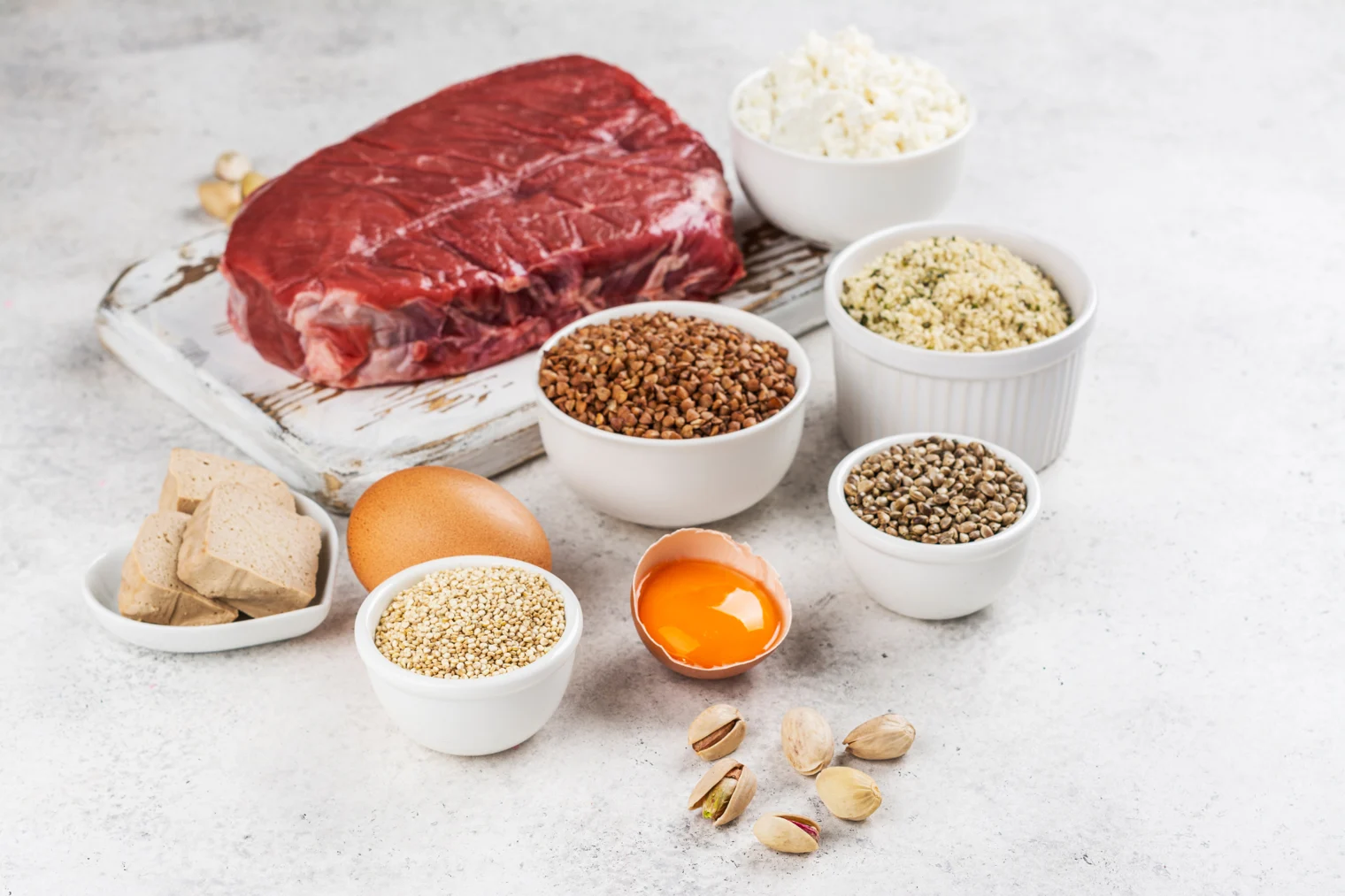
Prioritise protein at every meal. Chicken, fish, lean beef, eggs, tofu and legumes should form the foundation of your diet. Protein slows gastric emptying and provides the sustained energy your body needs without triggering blood sugar swings.
Choose complex carbohydrates over simple sugars. Whole grains, vegetables and fruits with their natural fibre content digest more slowly and create a gradual glucose release. The fibre component, in particular, helps by adding bulk and extending transit time through your digestive tract.
Include healthy fats in moderate amounts. Avocados, nuts, seeds and olive oil contribute to satiety and slow digestion when consumed appropriately. While excessive fat triggers symptoms, the right amount supports your nutritional needs.
Avoid or strictly limit refined sugars and sweetened beverages. These items offer little nutritional value and pose the highest risk for provoking symptoms. Reading food labels becomes essential. You'd be surprised how many processed foods contain hidden sugars and high-fructose corn syrup.
Consider lying down for 30 minutes after meals if you're prone to symptoms. This position naturally slows gastric emptying by working with gravity rather than against it. The practice helps during the early post-operative period when symptoms tend to be most pronounced.
Keep a food diary during your first few months post-surgery. Recording what you eat, when you eat it, and any symptoms that follow, helps you identify your personal trigger patterns. This information proves invaluable when working with your dietitian to refine your eating plan.
Monitor your blood glucose if you experience late dumping symptoms. Some patients benefit from consuming a small amount of complex carbohydrate, such as a few whole-grain crackers, about an hour after meals to prevent the hypoglycaemic crash.
Most patients experience symptom improvement within three to six months as their digestive system adapts to its new anatomy. Severe cases may take 12 to 18 months to fully resolve. The key lies in patience, consistent adherence to dietary guidelines, and regular follow-up with your bariatric team.
At New Me, we provide comprehensive support throughout this adjustment period. Your dietitian, nurse and surgical team work together to help you navigate these challenges and achieve the best possible outcomes. We understand that every patient’s journey is unique, and we tailor our guidance to your specific situation. Remember that gastric dumping syndrome is a common, manageable consequence of the anatomical changes that enable your weight loss. So, with proper education, dietary adjustments and support, you can minimise symptoms while maximising your surgical success.
If you are considering bariatric surgery in Perth or experiencing dumping syndrome after a recent procedure, the team at New Me is here to support you. We combine surgical expertise with comprehensive nutritional guidance to ensure you achieve sustainable results and the best possible quality of life. Our patient-centred approach means you're never navigating these challenges alone. From your initial consultation through years of post-operative care, we're committed to your success. Contact New Me today to schedule a consultation and discover how we can help you achieve your health goals while managing any post-surgical adjustments.

.svg)


.svg)



© 2025 New Me. All right reserved.
Follow Us On


Website by OKMG