June 9, 2026
⬝
Read Time
A bad cold or flu hits, and suddenly you have no appetite. The scale dips for a few days, and you might feel a small sense of relief. Then, within a week or two, the number climbs right back up, often settling higher than before. All this is a predictable chain of events set off by the body's response to infection. So knowing what actually happens during illness helps you protect your progress, especially if you are preparing for or recovering from weight loss surgery and managing health insurance for weight loss surgery in Perth.
When a virus enters your system, your body launches an immune defence. Part of that defence involves sending chemical signals to the brain that switch off hunger. From an evolutionary standpoint, this makes sense. The body wants every available resource directed at fighting the invader, not digesting a meal. So your appetite shuts down.
The initial drop on the scale, however, tells a misleading story. Fever, sweating, and faster breathing drain water from your body. Losing even a few kilograms this way is mostly dehydration, not fat loss. At the same time, your body starts pulling apart muscle protein to feed the immune response. So while the number on the scale goes down, you are losing water and precious muscle, not the stored fat you have worked hard to reduce.
After rehydration, the scale rebounds, and if lost muscle has not been rebuilt, the regained weight settles disproportionately as fat, thus leaving body composition worse than before the illness.
While you lie in bed recovering, your body's energy systems become confused. The immune system burns extra fuel to run a fever and build immune cells, yet your muscles become less responsive to insulin, meaning your cells do not handle energy efficiently. At the same time, intense cravings for carbohydrates often kick in during recovery. The brain wants a quick energy source to replenish stores, and starchy, sugary foods provide that fast hit. Surrendering to these cravings without a plan leads to rapid weight gain, often as fat, and the muscle you lost during the illness does not automatically return.
Standard medical advice says to rest for seven to ten days after a fever breaks before exercising again, and then to ease back in gently. Even a milder cold calls for several days of rest. A single bout of influenza can therefore sideline you from exercise for three or four weeks when you factor in the illness itself, the mandatory rest, and the gradual rebuild. All that time without movement means fewer calories burned and more muscle lost, making weight regain almost certain.
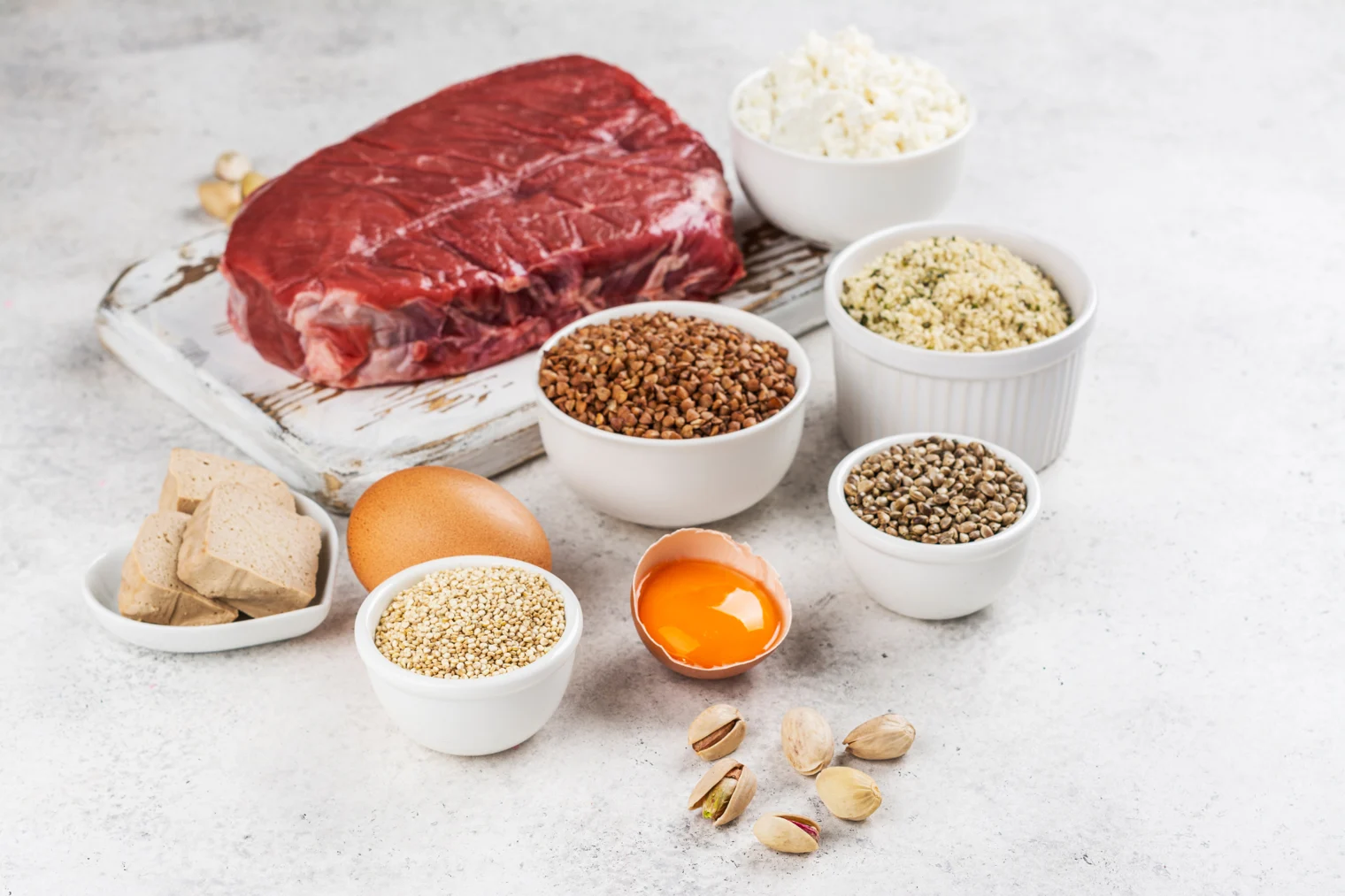
The days after an illness are not the time to restrict calories aggressively. Your body needs fuel and protein to repair damaged tissue and rebuild muscle. A sensible approach follows three steps. First, focus on fluids and electrolytes for a day or two after the fever ends, replacing what you lost through sweat. Second, eat easy-to-digest protein sources (e.g. scrambled eggs, yoghurt, and protein shakes) regularly throughout the day, aiming for at least 1.2 grams of protein per kilogram of body weight. Third, slowly reintroduce healthy carbohydrates like oats, sweet potato, and whole grains to refill energy stores without spiking blood sugar wildly. Treat this period as a repair phase, not a weight loss phase, and you will come out the other side with your muscle mass and metabolism in far better shape.
For anyone working toward bariatric surgery, the unpredictable nature of flu season can throw a carefully planned timeline into chaos. In Australia, weight loss surgery requires Gold-tier private hospital cover and a mandatory 12-month waiting period. If a severe flu delays your pre-surgery preparation or the procedure itself, you want the peace of mind that your coverage remains intact and your waiting period does not reset.
Without insurance, a bariatric procedure can cost between $20,000 and $28,000. With the appropriate Gold cover, out-of-pocket expenses typically drop to around $3,500 to $6,000. More than the cost savings, having health insurance for weight loss surgery in place means an unexpected winter virus will not derail your surgical plans. That certainty removes a layer of stress, and less stress means lower cortisol levels, which itself supports a healthier weight.
A cold or the flu switches off hunger, drains water, breaks down muscle, and forces weeks of inactivity. The scale will bounce around, and chasing that bounce with strict dieting usually makes things worse. The right response is structured recovery: fluids, protein, slow reintroduction of carbohydrates, and a gentle return to movement. If seasonal illness keeps undoing your hard work and you are ready for a lasting solution, speak with us at New Me. We help Perth patients understand every part of the weight loss journey, including how health insurance for weight loss surgery works. Book a consultation today and build a strategy that keeps your progress on track, no matter what winter brings.

.svg)


.svg)



© 2025 New Me. All right reserved.
Follow Us On


Website by OKMG