October 6, 2026
⬝
Read Time
The prospect of travel after bariatric surgery often brings mixed feelings. Excitement about the destinations and new experiences sits alongside a genuine concern: how do you maintain your new eating patterns away from home?
The short answer is that travel is not only possible but deeply rewarding after weight loss surgery. Your improved mobility, higher energy levels, and reduced back pain make exploring the world more enjoyable than ever. But your altered anatomy demands respect even when you are miles from home. Reduced stomach capacity, changes in digestion, and ongoing need for protein, fibre, and hydration don’t take a holiday just because you do.
With practical preparation, you can navigate unfamiliar menus, irregular schedules, and the social pressures of dining out without compromising your health or weight-loss goals.
Timing is always the first consideration. Short domestic trips, such as two- to three-hour flights or short drives, may be possible from week two with your surgeon's clearance. International or long-haul flights generally require at least one to two months. More adventurous travel - hiking, scuba diving, or high-altitude destinations - is best left until three to six months post-surgery.
The first four to six weeks are healing-intensive. During this period, staying close to your bariatric clinic is prudent in case any issues arise. Most patients feel ready for international travel by month three, with longer trips becoming comfortable by month six.
Blood clot risk is the primary medical concern with early travel. Surgery temporarily raises the risk of venous thromboembolism, and long periods of immobility add to that risk. For this reason, most surgeons recommend waiting at least six weeks before boarding a plane, while some advise up to eight weeks. Always obtain personalised advice from your surgical team before making travel plans.
The most effective way to stay on track is to plan meals in advance. A little preparation before you leave saves time, reduces stress, and keeps your healthy eating habits intact from day one.
Start by researching restaurants and grocery stores at your destination. Use mapping tools or bariatric community forums to locate places that serve grilled chicken, fish, lean proteins, and customisable plates. Identify grocery stores near your accommodation so you can stock your lodging with staples like Greek yoghurt, cottage cheese, canned tuna, and skim milk. Having reliable food options within reach means you won't get caught hungry with nothing suitable to eat.
Pack essential bariatric-friendly snacks and supplements. Travel-sized protein powders, sugar-free protein shakes, low-sugar jerky, nut butter packets, and shelf-stable protein bars are invaluable companions on flights or road trips. Never check your vitamins and supplements because lost luggage can become a nutritional crisis. Keep your multivitamin with iron, calcium citrate, vitamin D, and B12 in your carry-on so they are always accessible.
Airline travel presents specific challenges for bariatric patients. Cabin air is exceptionally dry, and the limited movement during a flight can be uncomfortable for a recovering body.
Hydration requires deliberate planning. So, aim for at least eight ounces of water per hour of flight. Begin hydrating twenty-four hours before your flight. Small, regular sips are more realistic than trying to drink large amounts at once. Skip alcohol completely on flights because it dehydrates quickly at altitude. Remember the thirty-minute rule: avoid drinking fluids thirty minutes before and after meals.
Movement is equally important. Walk for five minutes every hour on long flights or drives. Perform calf raises in your seat between walks. Compression socks are recommended for flights over four hours.
Airport food also requires careful navigation. Good options include Greek yoghurt parfaits, hard-boiled eggs, tuna pouches, single-serve cheese, and jerky. Skip the giant pretzels and sugary lattes.
Eating out after gastric sleeve is entirely achievable with a clear strategy. The key holiday eating principles apply whether you are in a fine-dining restaurant or a beachside buffet.
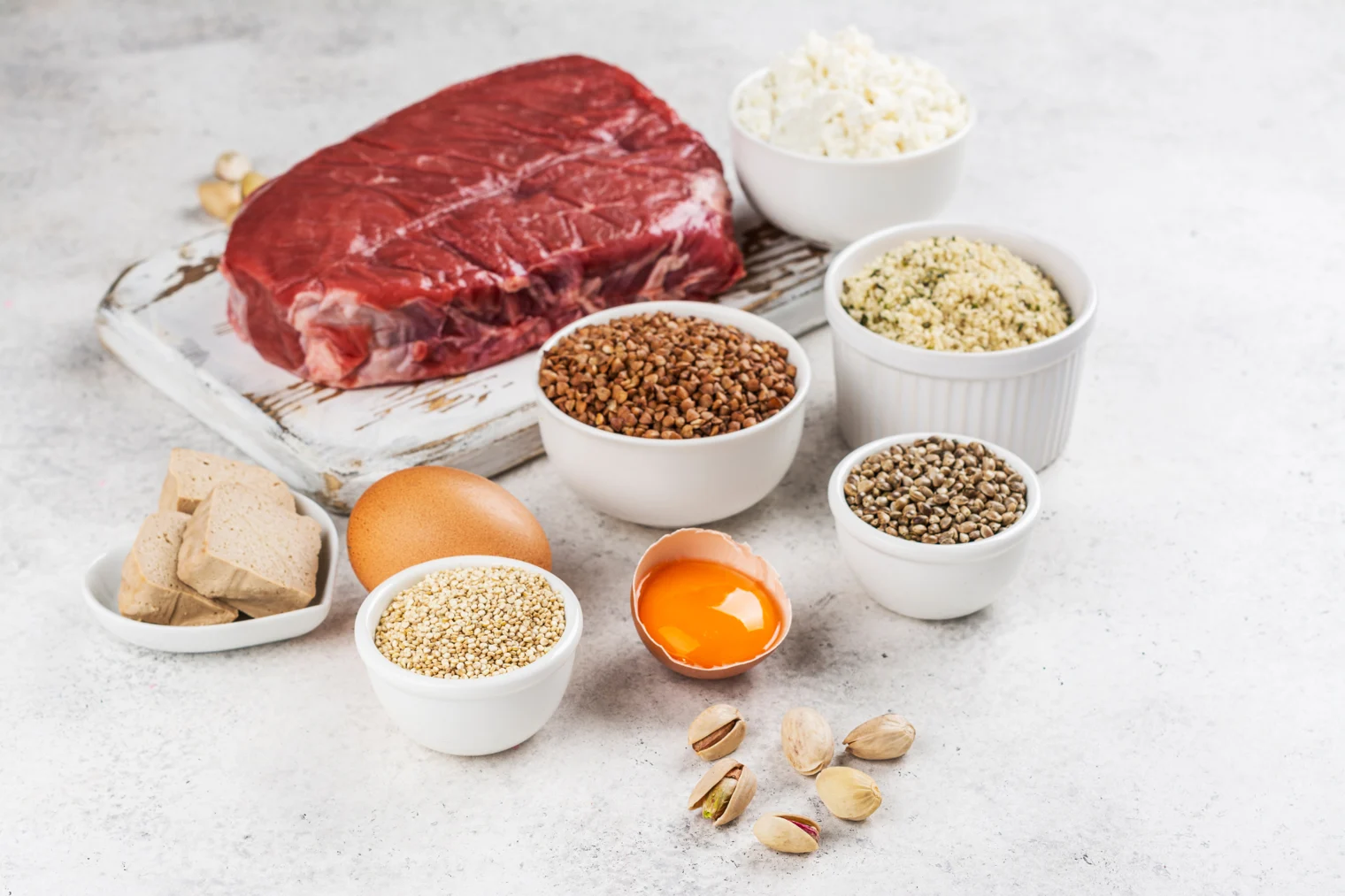
Order the protein first (chicken, fish, eggs, or tofu) and eat it before bread, sides, or anything else. Prioritising protein helps you stay full longer and supports your body's healing and maintenance after surgery. Most restaurant portions are two to three times what you need. Take half home or split the meal with a companion.
Eat slowly and chew thoroughly. Take at least twenty minutes to finish each meal, and aim to chew each bite at least twenty times. Pause between bites to assess your fullness. Consider asking for a to-go box upfront and setting aside extra food before you begin eating.
Maintain a consistent eating schedule even across time zones. Aim for mini-meals every two to three hours while travelling to keep your blood sugar stable and prevent the extreme hunger that leads to poor choices. If you are crossing time zones by three or more hours, change your vitamin schedule by setting phone alarms rather than relying on “morning” and “evening.” Continue all your vitamin supplements because deficiencies can build quickly.
Weight loss surgery and holidays can coexist happily when you prioritise hydration and movement. Aim for 1.9 to 2.4 litres of water daily. Carry a water bottle with you wherever you go.
Use holidays as an opportunity to stay active in enjoyable ways. Swimming, walking tours, paddleboarding, or dancing can help you balance occasional indulgences. Staying active supports both physical and mental health while you are away from your normal routine.
Be mindful of buffet environments, particularly at all-inclusive resorts. Start every meal by scanning for protein options first. Avoid sugary drinks and alcohol, which can derail your progress.
Travelling after bariatric surgery means approaching travel with the same intention and preparation that helped you succeed after surgery in the first place. The world becomes more accessible, not less, when you are no longer carrying excess weight. Your mobility improves, your energy increases, and the experiences you can have expand dramatically. With practical planning (researching restaurants, packing protein-rich snacks, staying hydrated, and moving regularly), you can enjoy every destination on your itinerary without compromising your health or weight-loss goals.
At New Me, we prepare our patients for life beyond surgery, including the holidays and adventures that await. Our team provides the dietary guidance, supplement recommendations, and practical advice you need to travel safely and with confidence. We believe that weight loss surgery should open doors, not close them. Book a consultation with us today.

.svg)


.svg)



© 2025 New Me. All right reserved.
Follow Us On


Website by OKMG