October 6, 2026
⬝
Read Time
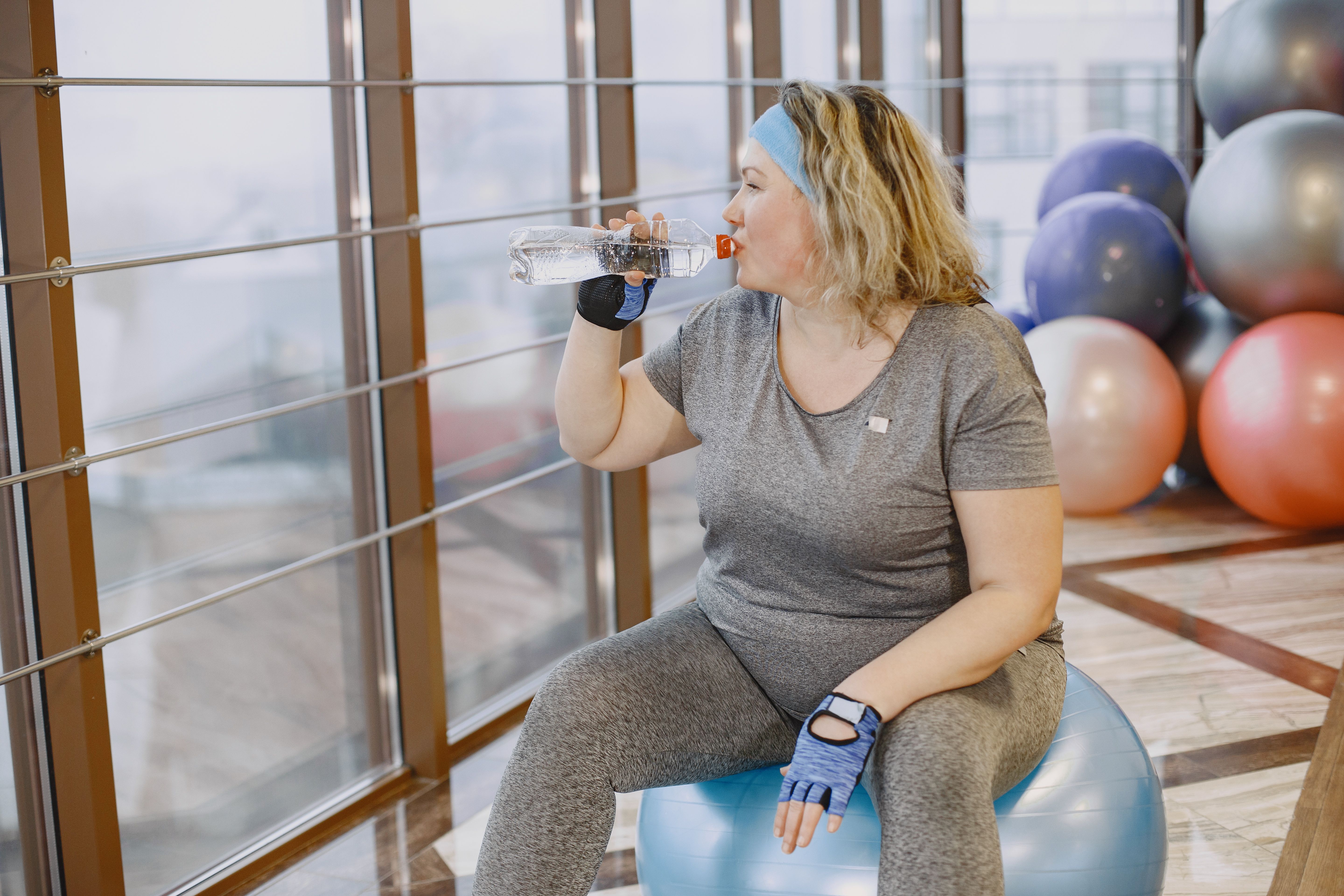
One of the first questions men and women ask when considering weight loss surgery is about work. How much time will they need away from their job? Will their employer support the leave? And what does the return to the office or worksite actually look like? These are all practical concerns, and they deserve practical answers. While every patient recovers at a different pace, the evidence provides a clear framework for planning your absence and your return.
Most patients who undergo laparoscopic sleeve gastrectomy can expect a hospital stay of one to two nights. During this time, the focus is on pain management, hydration, and early mobilisation. Walking is also encouraged within hours of surgery to reduce the risk of blood clots.
Once discharged, the initial home recovery period begins. Fatigue is common during the first one to two weeks, largely due to the significantly reduced calorie intake. This is a normal physiological response as your body adapts to its new digestive system.
For most people, returning to work after gastric sleeve is possible within one to two weeks for desk-based roles. Some patients feel ready sooner, while others prefer a full two weeks to rest and adjust. The key is to listen to your body and not rush the process.
For physically demanding jobs, such as those involving heavy lifting, prolonged standing, or heavy exertion, the timeline is considerably longer. Most guidelines recommend four to six weeks away from work for these roles. This allows sufficient time for internal healing and reduces the risk of injury or complications.
No two recoveries are identical. The speed at which you can return to work depends on several variables:
Planning your return goes beyond choosing a date. Consider what workplace accommodations after surgery might support a smoother transition.
For office workers, this might mean:
For those in physical roles, workplace accommodations after surgery are even more critical. Consider discussing with your employer:
Evidence shows these accommodations are essential for a safe, sustainable return. More than 40% of patients who were unemployed due to disability returned to work within ten years of metabolic surgery, with nearly 60% of those under age 40 doing so. This underscores the transformative potential of bariatric surgery not only for health but for long-term employment and economic participation.
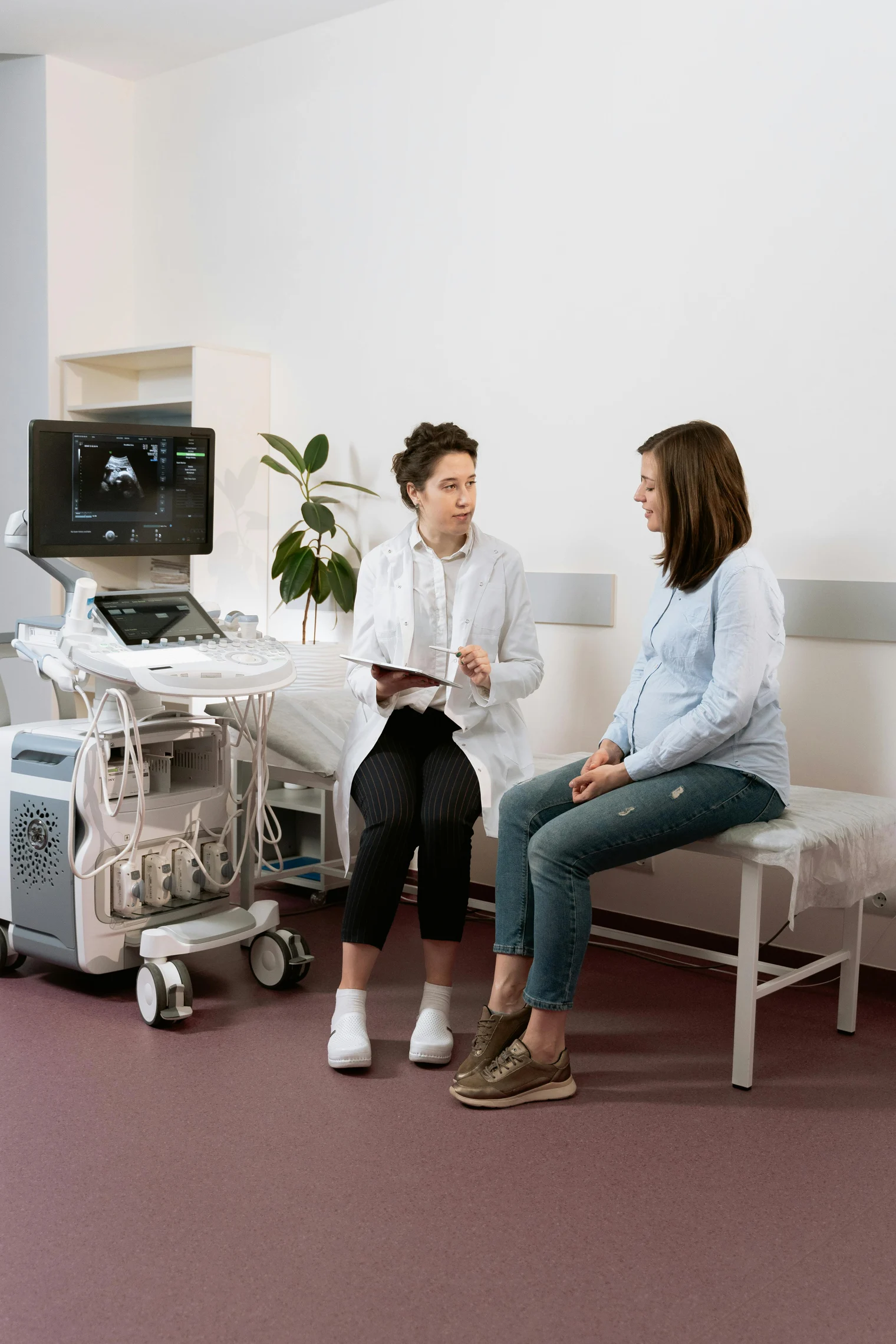
Many patients worry about whether their time away from work will be covered. Under Australian employment law, sick leave for bariatric surgery in Australia is treated the same as sick leave for any other medical procedure. If you are medically unfit for work due to surgery and recovery, you are entitled to take paid personal (sick) leave, provided you have accrued hours. Your employer can request reasonable evidence of your inability to work, such as a medical certificate from your surgical team.
The Fair Work framework makes no distinction between elective and non-elective procedures when it comes to sick leave entitlement. If a medical certificate declares you too ill to attend work, you are entitled to be absent.
If you need more time than your accrued sick leave allows, options include annual leave, unpaid leave, or negotiating a period of medical leave with your employer. The key is to have an open conversation with your employer well before your surgery date.
To make your return as smooth as possible, consider these steps:
Returning to work after gastric sleeve surgery is a major milestone in your recovery. It signals that you are healing well and returning to normal life. With proper planning, open communication with your employer, and adherence to your surgical team’s advice, the transition can be smooth and uneventful.
At New Me, we guide our patients through every stage of the weight loss journey, from the initial consultation to the return to work and beyond. Our multidisciplinary team provides the medical certificates, dietary advice, and ongoing support you need to plan your recovery with confidence. We understand that your career matters, and we are committed to helping you return to work safely and successfully. Talk to us today so we can help you plan your weight loss surgery journey, that includes your eventual return to the workplace.

.svg)


.svg)
© 2025 New Me. All right reserved.
Follow Us On


Website by OKMG